Wednesday, April 17, 2013

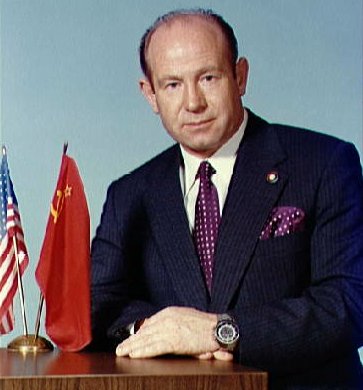
If it was good for Alexey Arkhipovich Leonov, it's good for you too.

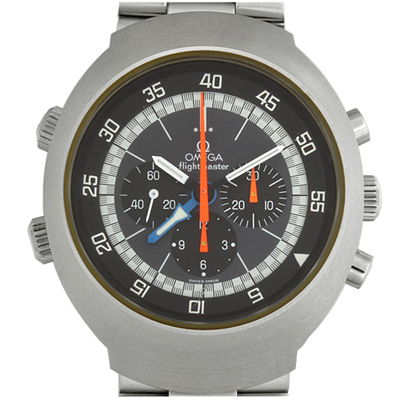
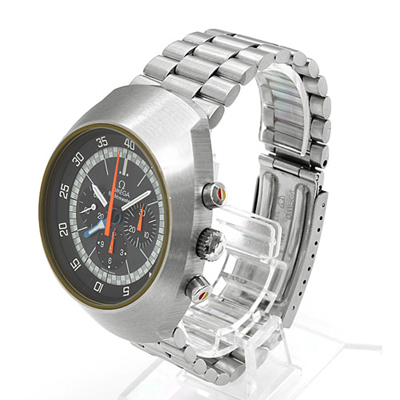
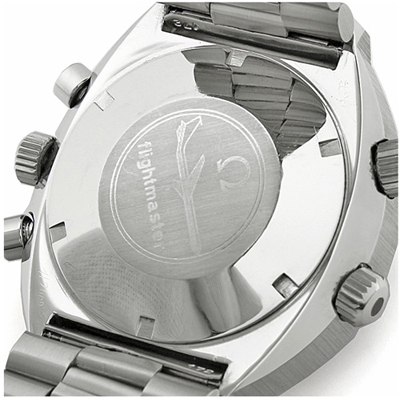
*** 1970s Flightmaster: looking for a really god one?

If it was good for Alexey Arkhipovich Leonov, it's good for you too!

Russian cosmonaut Alexey Arkhipovich Leonov, Soviet Air Force Major General with his Flightmaster. Worn on Soyuz 19 mission in 1975.

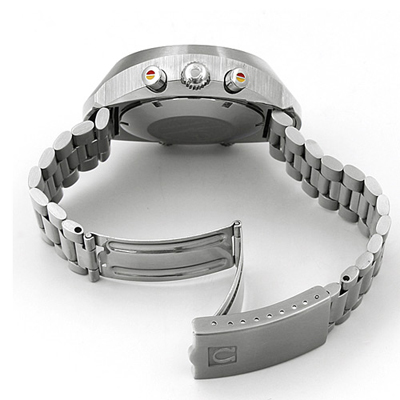
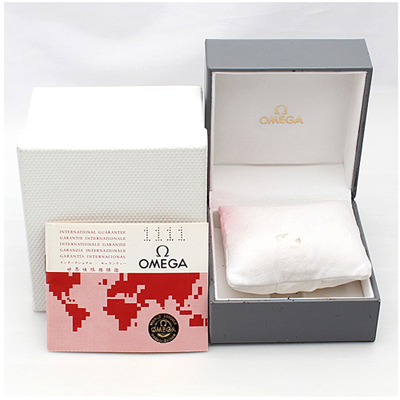
Designed for pilots. Worn in space: Omega Flightmaster Cal 911 ST145.036. Case 43 x 52mm. Complete set with box and papers. Original 1970s model.

Wednesday, April 10, 2013

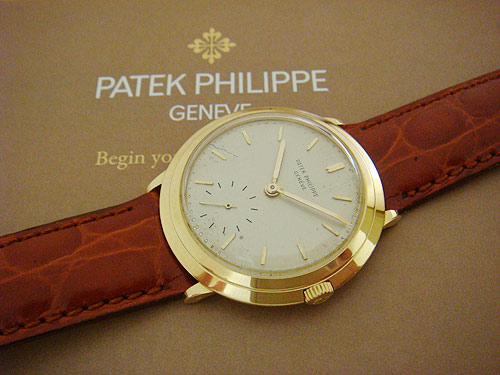
Betty and Don Draper form Mad Men, Patek Philippe

The best of 1966. The Mad Men are back!

And who would think that so many of us would watch a plotless American TV show with such passion! Like it or not, there is something nostalgic about the 1950s/60s where men were mad and ladies so painfully fashionable.

The series is an absolute feast for the eyes. The colours, decor, costumes, fashion and over and above all: the charming elegance.

You may not believe this, but today, on my way to work, I saw a man wearing a grey Don Draper suit, spotless white shirt, shiny Oxford shoes and - wait for it - a hat!

Now, you may say: well, this look is never going to work in Sydney. And you are quite right, because Don Draper does not text or sms or play silly games on his ipad on public transport like you do. DD is not a sterile, politically correct misogynist-metrosexual. Don was simply a product of a context, a part of it's fabric - not an imitation.

And this is the reason why the look cannot work: we cannot bring the context of the 60s into 2013.

But there is, however, one detail which does not need a context to turn you into a cool and elegant man. An item so contextless which like a black hole bends the time around itself: a vintage watch!

Watercolour by TanyaH.

Niello pocket watches: the 3 buying tips

*** Your daily dose of horology: Niello

At their peak production (early 1900s) pocket watches were available in all imaginable styles and decorations, with all sorts of complications. The price range started from a famous $1 Ingersoll to more common nickel-cased daily wearers, precision railroad timekeepers to fancy gold cased gem studded "Royalty" examples. And on the very top were complicated perpetual calendars, chronographs and repeaters.

And then, there were the really cool and sophisticated, artistic niello pocket watches.

Niello is a black alloy (lead, copper, silver, sulphur and sal ammoniac) which was filled into a chiseled or engraved silver case. The niello paste was then fired. The excess alloy - which was very hard - was then removed with a file, and the remaining surface was then polished.

Being a silver based alloy, it 'fused' perfectly with the silver case, leaving a striking black and white appearance.

Needless to say, engraving a silver case for a niello required both craftsmanship and artistry. Some of the most distinctive, intricate and beautiful Art Nouveau niello cases were produced in early 1900s and I have no doubt that Draper Senior would have a such a piece in his waist coat.

So next time you see a niello pocket watch, don't rush- take your time to study the smooth patterns and immerse yourself in the fascinating world of fine horology.

If you wish to start your pocket watch collection then here are the 3 most important thing to look for:

- go for an example with perfectly preserved niello, but also one with an intriguing pattern
- go for a brand name (Omega for example, or Longines)
- the watch mechanism must be in good working order, the winding system flawless and the balance wheel unaltered, preferably with original balance staff. And the porcelain dial intact, free of any hairlines.

Based purely on the pattern, my pick would be wither one on the left or on the right (on above photo) where the middle example would be less desirable because of the crest.

Happy collecting!

Monday, April 8, 2013

Don Draper-worthy: 1959 Patek Philippe [Mad Men]

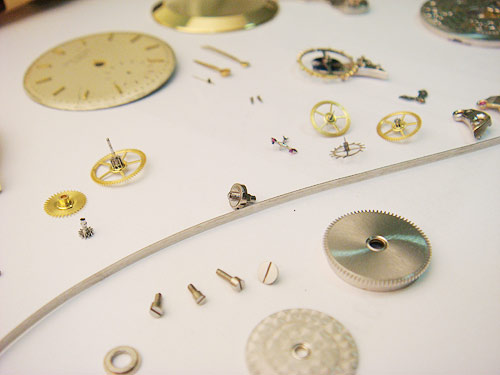
1959. Patek Philippe, fresh form the work bench.

While I was doing the overhaul, Tanya had fun with watercolours.

Ref 2515 is a very typical example of a mid to late 1950s Patek watches. It is fitted with iconic movement Cal. 12-400 which was in use from 1950 to 1962. Patek produced a total of 10,000 Cal 12-400 movements which means that less than 1000 pieces were manufactured each year. Some reference numbers like 2515 with short lugs are now rarely seen on the market.

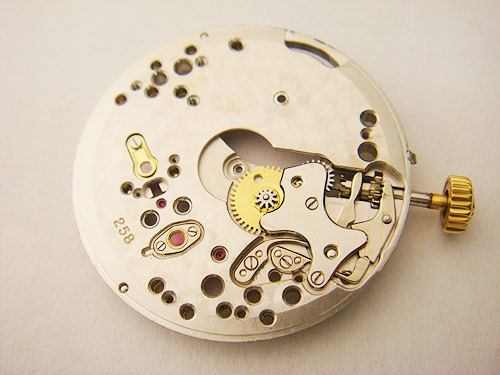
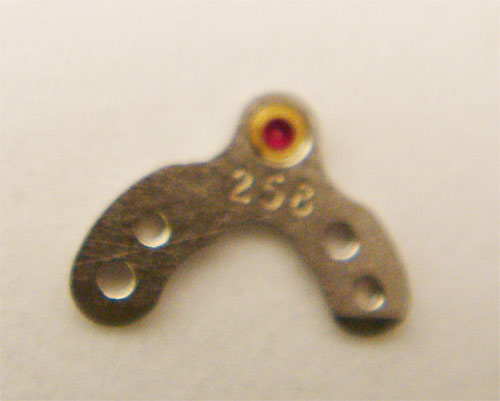
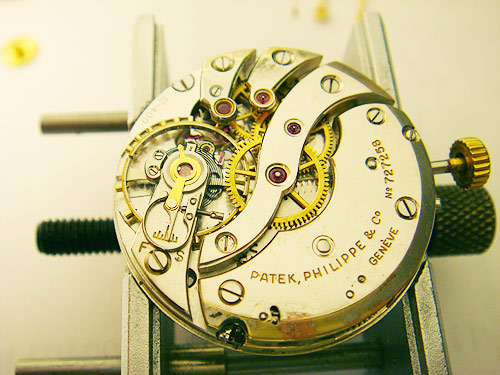
Each bridge is stamped with the last 3 digits of the movement number which takes us back to the days of hand finished movements. This touch of individuality is not something you will find in a new Patek!

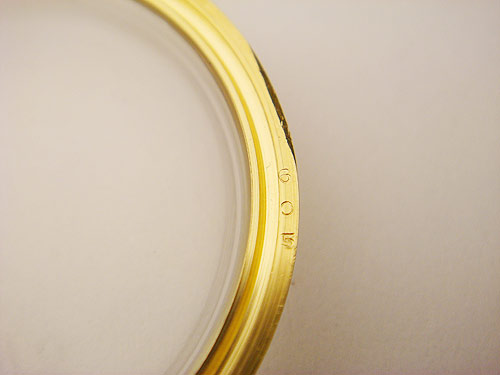
In addition, the bezel is also stamped with the 3 last digits of the case number.

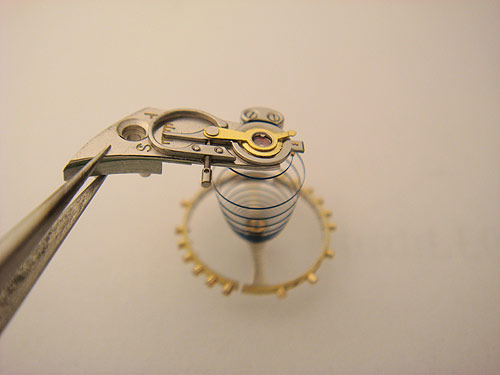
The complete overhaul was really a straight forward job. In its 54 years, this is only the third time it has been overhauled. Nevertheless, the pivots and jewels are still finely polished due to the fact the watch was used only on special occasions.

The original ivory colour dial is nicely aged and gives the watch a warmth and unmistakably vintage look.

Friday, April 5, 2013

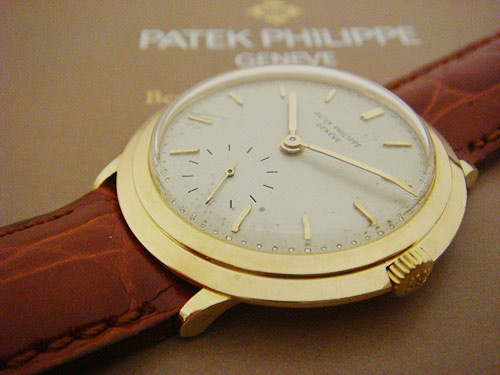
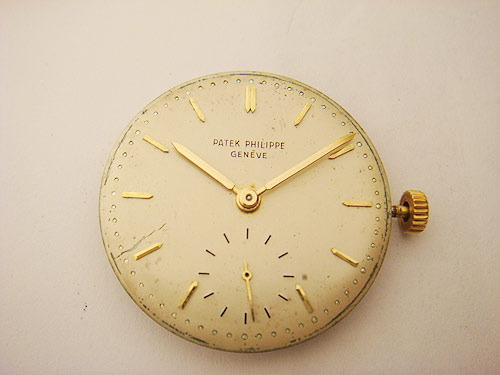
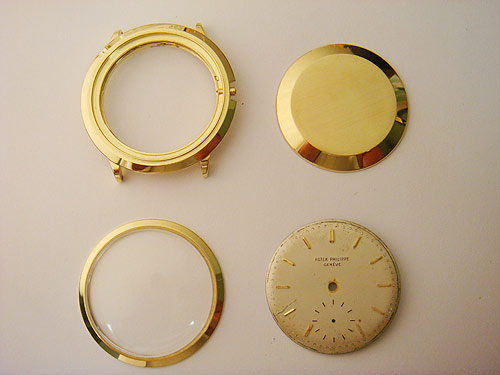
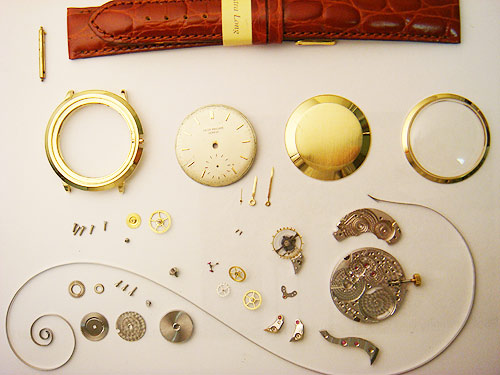
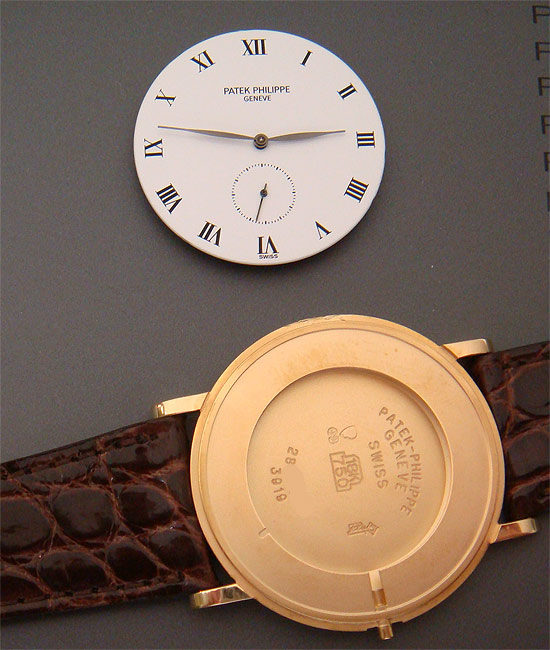
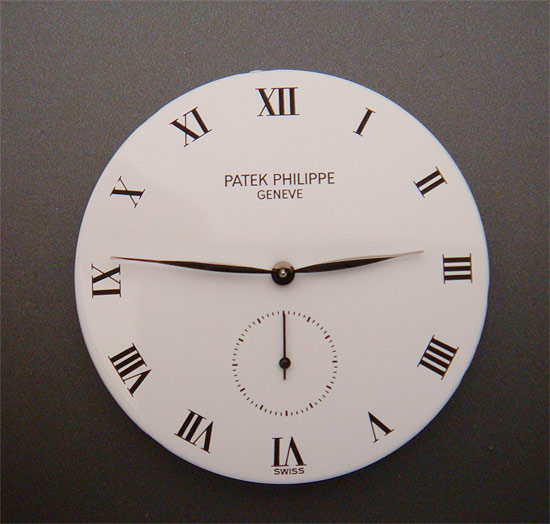
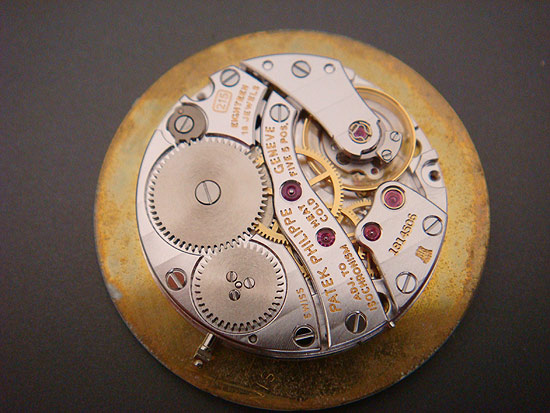
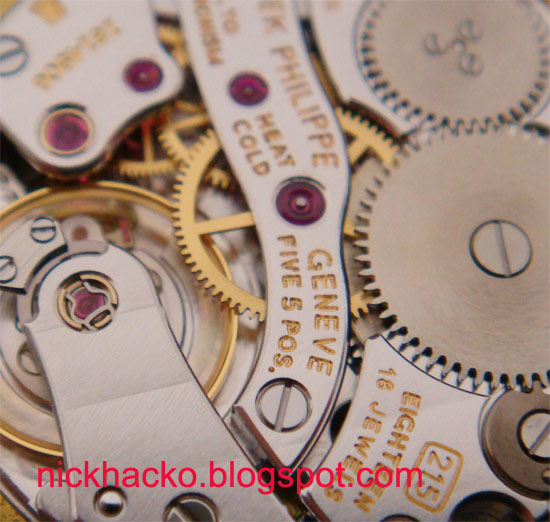
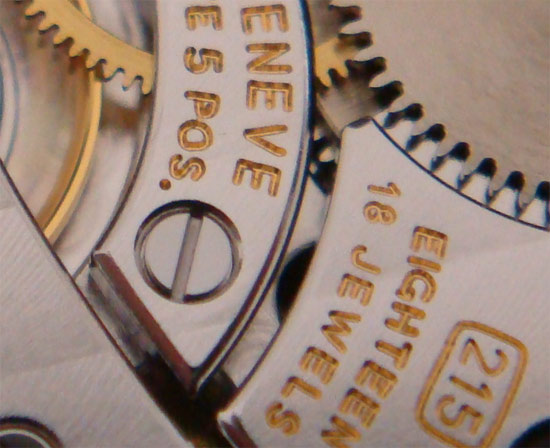
Under the bonnet of Patek Philippe Ref 3919 Calatrava

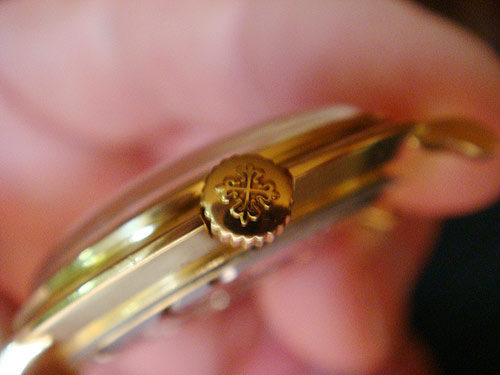
Patek Philippe Ref 3919 Calatrava, 18K gold on a leather strap.

Yesterday, a postman left a 10 kg parcel in front of our office

*** Blessed

Just when I thought I'd seen it all: Bruce arrived the other day to buy a Rolex Explorer I.

He was very adamant that the Explorer I was the only watch to suit his requirements. "I am traveling overseas. I need a simple, reliable watch which would last me for many years." He also said that he is 'de-cluttering' and getting rid of his earthly possessions. I did not take that statement for more than a passing comment. " I like your service" -he said- " and I have something for you, a small present.

Again, I am not a big 'presents' person. A good second hand dealer is one who has no friends and does no favors. And I am more than happy for things to stay that way.

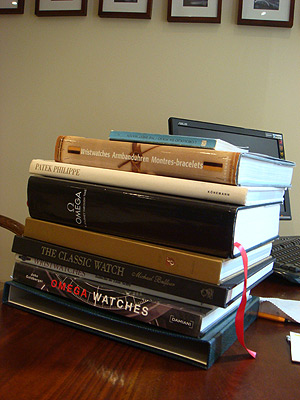
Yesterday, a postman left a 10 kg parcel in front of our office. I wasn't expecting any delivery of that size or volume, and thought we had received some office supplies. The box remained unopened until late afternoon.

"Please accept these watch books as a gift from me. They are second hand and have been packed in a cardboard box, stored in shed for the last 3 years and as you can see have somewhat deteriorated. The Rolex Explorer is performing well and for now, it seems to like gaining +3 seconds per day. So I am very happy with it. Soon I will be traveling, returning into a Buddhist Monastery..."

The box contained eight watch books in very decent condition. Some general, others subject and brand specific. But this was too much of a gift to accept so I instructed my assistant to get in touch with Bruce as soon as possible. Unfortunately, there was no return address. The phone number we have on file answered with a recorded message which sounded to me like a Buddhist song.

Bruce - if you are reading this email - please get back to me. I truly appreciate your present and as small token of appreciation, I have something here which may be useful to you, wherever you may reside. You are a very kind soul and we wish you all the best in your journey.

I am not to comment or dwell for too long on things spiritual. But quite frankly, at least in my books, Bruce could be closer to his destination that most of us would ever be.

Thursday, April 4, 2013

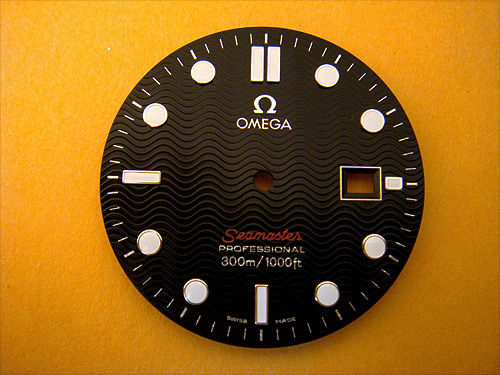
No horsing around: Seconds hand misalignment. A broken wheel. Who makes Omega dials?

*** The Kickstarter

To kick start myself on a rainy and miserable day I need an easy victory by 11am. This usually comes in the form of a battery replacement and water pressure testing, or anything 'quartz'. Battery operated watches are often straight forward, easy money, and productivity boosters.

Fixing the winding issue on an Omega Seamaster Professional Quartz is one of those jobs.

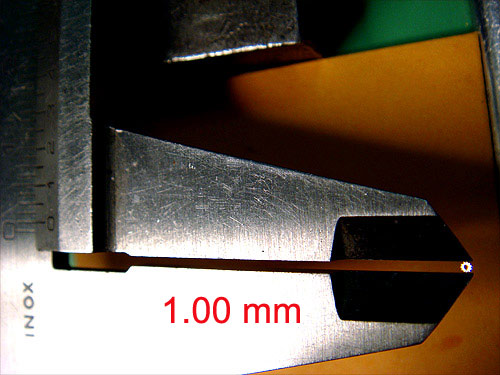
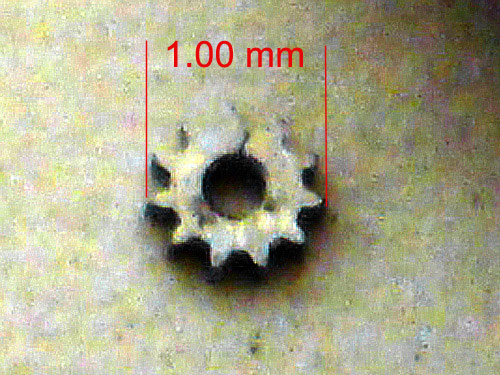
It took less than 5 minutes to dismantle (almost) the entire mechanism. The culprit: minuscule intermediate wheel for quick date setting.

The friction-fitted wheel itself is just under 1mm in diameter, but it developed a huge crack which in return made it slip on the arbour.

The cause: excessive force applied to winder. And here is your 'daily dose of horology' : when operating the winding crown (winder, stem) don't apply an excessive amount of torque. Especially so if you 'feel' that something is not quite as smooth as it used to be 10 years ago.

A 100 kg man with 70cm long arm can produce significant amount of the torque on a winding crown.

Can a 1mm diameter, 11 tooth wheel withstand such aggression? Well to it's credit, for most of the times, yes, but if you horse around with it, it will give up.

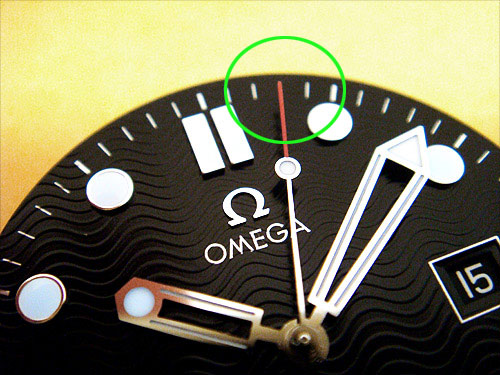
On another note: the Seamaster on the workbench gave me an opportunity to try something I always wanted, but never had time to do: to find out if the sweep seconds hand can be aligned to absolute zero with seconds track markers. (Watchmakers: I can hear you laughing, but keep quiet please!)

Now, while such alignment on a mechanical chronometer is an absolute MUST for all hands, this is a bit of a luxury when dealing with less expensive, battery operated watches.

There are at least a couple of problems with this super precise alignment. Beside the obvious: customers, watchmakers and even some watch manufacturers simply don't care. And even when they do, the overall tolerance of all moving parts (especially the wheels in the going train) are fairly 'forgiving'. The same applies to the miniature magnetic rotor. Gravity is another factor. Finally, the seconds hand itself is slightly tapered and once placed on the arbour, it may (or may not) align to the very same position.

As I said, not a big deal for everyone - except for a few extremely pedantic watch owners who every now and then would call to complain about misalignment, even on their brand new watch. Yes, if you look at things under x20 magnification, the world will look strikingly different and yes, you may get disappointed whit your discoveries.

To cut the story short, after six or seven attempts, I finally got it right :-) the second hands were now absolutely spot on, each and every tick.

So here you go my dear subscribers - feel free to use this image to annoy your fellow watch forum friends when they complain about the "seconds hand misalignment" issue. Finally, if you wonder why the MINUTE hand is not aligned with the track: this adjustment is done via a stem in the time setting position, externally, so don't let this photo deceive you :-) We are not quite done with this Seamaster!

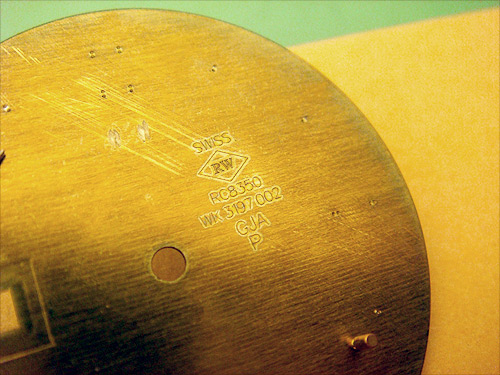
Finally, a mystery which still needs to be solved:

Who makes dials for Omega watches? Who is the RW ?

Tuesday, April 2, 2013

IWC Pilot's Ref. 3254-01 The Jubilee Fliegeruhr


IWC Schaffhausen Fliegeruhr Ref.3254
The Fliegeruhr vintage Pilot's Reference IW3254-01 is one of the 6 models produced to celebrate 140 years of the IWC Company, formed in 1886. The very first IW3524 hit the market towards the end of 2008 and came in two versions: a standard stainless steel model 3254-01; and limited and numbered platinum model 3254-05 of 500 pcs run. Interestingly, the limited set of all six legendary Jubilee models in platinum were also available for a mere $241,000.

The Fliegeruhr is the re-make of the 1938 ‘military pilots’ issue in a 44mm steel case with a bi-directional pilot bezel. The function of the bezel is rather utilitarian and simplified to basic 'time marker' purposes. The accent is purposely directed to the black matte 'military' dial with luminescent Arabic numerals and matching hands.

The sapphire crystal with antireflective coating is almost flat – making telling the time under bright light easy. This is one detail where IWC effortlessly combines a vintage feel and look with modern technology.

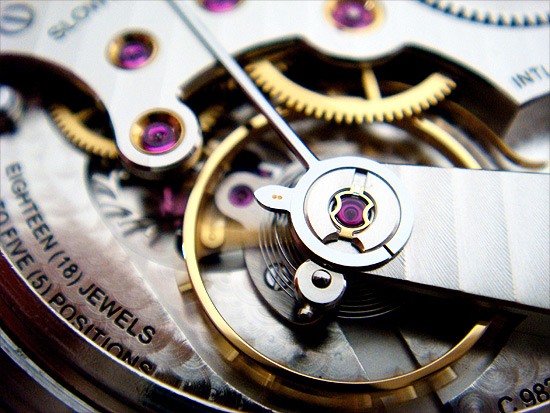
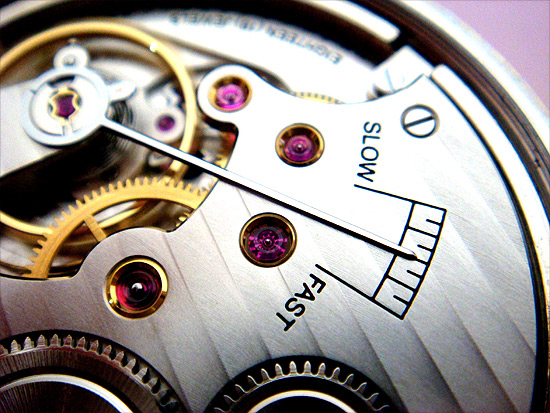
For a watchmaker -as well as a passionate watch enthusiast - the feast for eyes comes from the 'under' side: the finely finished in-house movement Cal 98300 looks, feels and performs just as one would expect form IWC. The 18 Jewels manual wind movement is adjusted to 5 positions. The low beat movement [18,000 bph] is robust and reliable yet loaded with details to impress: extended regulator for precision time adjustment, an elegant ratchet click spring and "a turtle neck' click for very smooth winding and rubies encapsulated in gold setting - just to mention a few.


To their credit, unlike other Swiss makers, IWC correctly rates water resistance in bars, not in meters. While the pilots watches are not really designed to be submerged, a 6 bar rating is plenty to keep the moister, rain and splashes out of the movement.
There is hardly anything not to like with the IW3254-01. However, if I am allowed to be overly picky, I would like to see another set of casing clamps which would hold the case ring firmly in position. This function is currently performed by the case back itself.
"You are now the owner of a beautiful new example of IWC tradition" is IWC’s message to the Pilot's owner. And I can't agree more - combining an historical look and importance with the new in-house approach, featuring the best qualities of the brand, is something worth celebrating.
Whether you are a professional pilot looking for a retro look, or someone who wears a suit all day long or who even someone who wears jeans and a shirt, IW3254-01 is one of those rare pieces which would blend equally well with your attire. Satisfaction guaranteed!


Friday, March 29, 2013

Lange and Sohne 1815 Automatik Sax-o-Mat Ref 303.025

Lange and Sohne 1815 Automatik Sax-o-Mat Ref 303.025

For those of you who missed last week's Lange Perpetual calendar in platinum - here is a good news: we have just received our Sax-o-Mat Ref 303.025.
The beauty of Ref 303.025 is in it's external simplicity and internal complexity.
For many, this is the pinnacle in fine horology and a piece worth sacrificing. And again, for many, this is often the very last watch in their collection. Once you own Lange, it is almost impossible to replace it with other brand without spending significantly more.
Do you know that a 3 liter milk bottle filled platinum would have mass of 65 kg and would be worth almost 3 million dollars?
Production of platinum in Africa ceased at the start of the First World War and remained docile until the end of the Second World War. With a lack of platinum watches for around 25 years, popularity waned. Only until the 60s had some life returned into the platinum aspect of the watch industry, only to be stomped down again by the onslaught of Japanese quartz watches in the 70s and 80s. With the mechanical watch revival in the 1980s and 90s came the increase of popularity in the precious metal to be used in a horological sense. Since the 1980s the popularity has increased especially since the refining process has been perfected.
Platinum still remains in the realms of high end watchmakers, and still owns a specific aura of class. Its unmistakable hue, glow, heft, purity and resistance to the elements set it apart from the other precious metals. Denser and much more resistant to scratching than gold, platinum betrays itself as a run of the mill, workhorse metal, but rather is a highly sought after material used in only the highest quality watches. A. Lange famously uses platinum in its limited edition and special edition pieces.
An unusual property of platinum: this precious metal never loses weight through scratching, as opposed to gold which is soft and loses some metal every time its comes into contact with another metal.
Basically, you are not really 'scratching the platinum, but merely 'repositioning' atoms around!
Finally, those of you how have a Lange & Sohne watch in collection may have noticed that watch movements appear slightly gold-yellowish in colour.

Here is why.
The movement main plates are made of untreated German silver which is a white alloy containing nickel, zinc and copper. In the natural process of aging or patination, this galvanically and chemically untreated metal becomes naturally patinated and the yellow-gold patina protect it from further oxidation! Funny enough, the German silver contains no silver at all :-) Another use of German silver is in production of high-end musical instruments, like French horns. It is said that such instruments have bright and powerful sound.
And this is really where story of your Lange just begins. We can spend hours talking about blue screws, gold chatons, hand engraved balance cock, platinum and gold rotor - and many other features found only in best made watches.
But more about that some other time...


Thursday, March 28, 2013

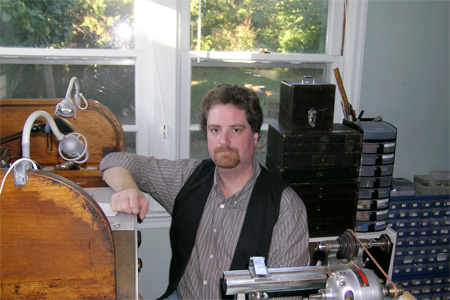
Jeff Sexton, Watchmaker: "the Elgin guy"

*** Google this!

"Never mind, I'll find it on Google!"

This is a typical answer you'll get from a teenager nowadays. Which is true in most of the cases - except when you are looking for things which are really important - a personal recommendation, for example

Still not convinced? Go ahead, google for "my dentist's dentist". I told ya.

And every now and then, yes, even a watchmaker needs a watchmaker.

The other day when I needed a crystal replacement for a Patek, I sent my assistant to Max Schweizer. A week later - it was all done and ready for collection. Last year, Joao Santos got me out of trouble with a hard to find circuit for a long-discontinued Cartier. And I am always happy to recommend my colleague Thomas Czibula to those who call or email looking for a watchmaker who specializes in vintage watches.

All three of them are a watchmaker's watchmaker!

Often, we are asked to recommend someone in the US who is equally passionate, independent and skilled.

Sometime ago I've bumped into fine and enthusiastic American watchmakers who specialize in Elign watches and other American brand pocket watches.

Jeff Sexton is 'my guy'- if I lived in the US and ran into problems with a vintage American watch, I would send it to Jeff.

I asked Jeff to introduce himself to our newsletter subscribers:

"I learned watchmaking from my Grandfather, Everett Sexton, who attended the Elgin Watchmakers' College in the late 1930s. My Grandfather had no small amount of natural skills. This was something noticed by William Samelius, "The Dean of Watchmakers", who singled out the young man for instructing personally. This was an enormous benefit and a privilege.

When I was just beginning, I would drive to my Grandparents' home, about 6 hours away, as often as I could with a collection of watches I had repaired. My Grandfather carefully and silently examined each, then offered suggestions. He often spoke of Samelius.

"Well, this is good, but Samelius would say you were a little too generous with the oil there."

I learned the tools and methods as Samelius taught them. At first, I did nothing but re-shape screw driver tips and finish the insides of tweezers. Later I learned to set the pallet stones, collet hairsprings, make a staff and set the beat - no machine either. On the one hand, much of what I learned is out of step with modern practices, but on the other hand I also routinely perform repairs and adjustments that few do, while using tools much, much older and more experienced than myself. I use my Grandfather's lathe, which he bought in in 1936 for $38, and many tools much older.

You never know what you will find inside an old watch, that has been handled by a progression of watchmakers, and had all manner of repairs, over a century and more. Every one is different. But I am proud to carry on the work my Grandfather cared for deeply."

Jeff's website is www.elgintime.com/ By the way, as someone not familiar with the work of William H Samelious, I was pleased to discover that he wrote a book titled "Watch and Clock information, please!" about watch and clock restoration. Stay tuned for a review :-)

Wednesday, March 27, 2013

Integrated vs. modular? ETA 2894-2 movement, the Purists and a TAG Monza

Earlier this week we talked about watch servicing. We concluded that an overhaul is a labour intensive and time consuming process which requires skills gained by years of practicing.

We also concluded that the more complex the movement, the more costly it is to service it.

Over the years many watch manufacturers went out of business for the very reason they got into it in the first place: a complex product which required labour and skills in both manufacturing and maintenance was often too expensive for the average watch owner.

The advancement of battery operated watches in late 70s and early 80s brought the Swiss watch industry to the brink of extinction. Only the fittest and strongest of watchmakers survived the Japanese onslaught.

"Brand name" Swiss makers concentrated their efforts on high end product. Small guys disappeared, and those in middle who had manufacturing capabilities or provided a unique service to the industry were eventually absorbed by the big players.

In the 1980s some Swiss makers ventured into the field of modular engineering. This was an effort to retain mechanical complexity, yet to make the end product easier to manufacture and assemble - and eventually, easier to service.

In reality, the concept itself is as old as watchmaking. The final result is always a compromise - not necessary from a performance aspect but rather from the 'purist' view. More about purists later.

Here is the essence of modular watch technology.

As you already know, the watch movement consists of various 'blocks' which are cleverly put together in order to measure and display time. While some of those blocks work extremely hard 24/7, (escapement, train wheels, main spring, auto winding system), others perform certain actions only every now and then (calendar, day/date function). And then, there are some which are only engaged on demand - like a stop watch. Ironically, those blocks which do the least amount of work are often the most complex ones to pull apart, assemble and adjust.

Practically, due to functional integration and complexity (you hate that word too, do you?) and necessity to pack all those blocks together in a slim line watch movement, an overhaul would demand COMPLETE disassembly of ALL blocks, including those which may not need service as often as main spring or escapement.

So, you may ask (and rightly so!) would it be possible to engineer a watch mechanism where components are physically grouped in such way which would retain complexity, yet simplify production, assembly and maintenance?

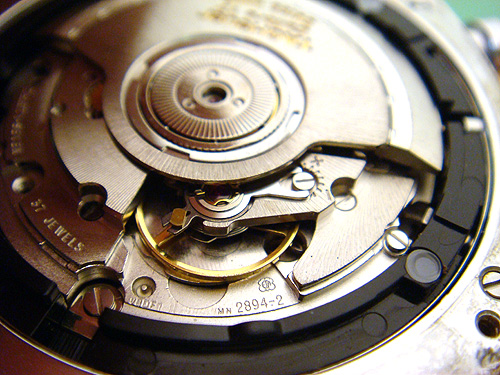
The answer is yes - and it is called the ETA 2894-2.

Here is a picture of a TAG Heuer Monza which is equipped with ETA 2894-2 movement.
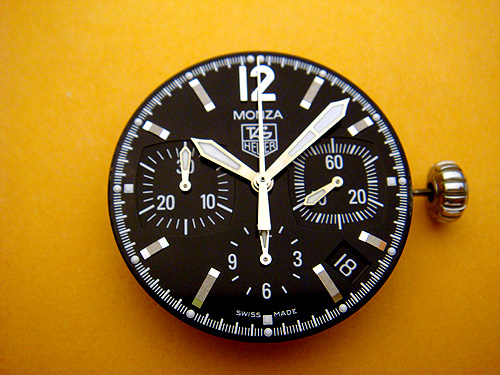
It is a self-winding (automatic) watch with date and chronograph (stop watch) function.

A typical example of a 'standard' Swiss watch made for a novice watch enthusiast.

There is not much to be seen from the dial side, so here is a photo of the back:
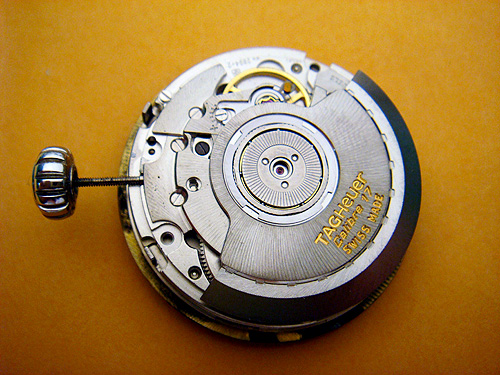
Again, from this view, 2894-2 looks like any ordinarily automatic watch- except for one detail: there is no sign of a chrono unit!

Well not until you remove 3 screws and separate two modules:
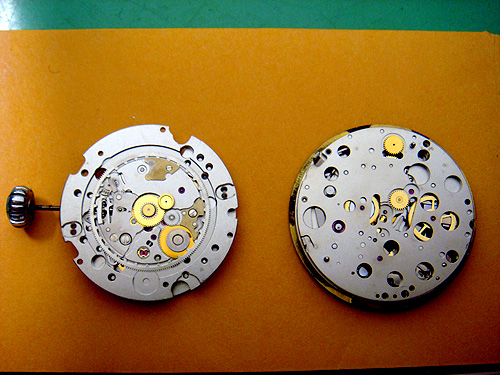
The module on the left is a 'work horse' and it contains all the hard working bits and pieces which require regular overhaul.

On the right, the chrono module hoses a very complex but low-maintenance unit.

The level of modular integration (or should I say: modular separation) is really amazing. Unfortunately, the photos above do not reveal much of the complexity - not only each unit contains close to 100 parts, but each module does what it is supposed to do even when completely separated! Another important detail is in the fact that the motion from one unit is transferred to other in just 3 'points of contact': via the seconds, minutes and calendar wheel.

If you are a mechanically minded person, then you would appreciate how difficult it is to "break" the motion yet still maintain precision in execution and accuracy in performance.

Here is a photo which shows those 3 points of connection:

It goes without saying that watchmakers just adore the modular concept! If there is no fault in the chrono or calendar unit, a watchmaker can overhaul the watch without even having to remove the dial and hands! A 4 hours job reduced to 45 minutes.

Now, by disclosing all this information to you, you may think you have enough ammunition to accuse your watchmaker of cutting corners. However, don't use that argument- the chrono spare parts are not available from ETA. In case of fault, ETA would supply a complete module only. So by not pulling it apart, your watchmaker is actually saving you some serious money!

Of course, the base module should be serviced the same way as any other automatic watch.

Apart from TAG Heuer, there are number of other Swiss makers who happily use the very same movement – most noticeably, the Omega Speedmaster Reduced automatic chronograph. And here is a tip: the adjective reduced does not refer to it's size (39mm) but to omission of a date function :-)

If you are still reading this article then you are probably asking yourself one logical question: why aren’t there more Swiss "sandwich" movements out there?

The answer to this question is: blame the purists!

If the critics are failed actors, then the purists are failed critics!

Purists are watch 'enthusiasts' who have their own view about everything watch related. There is of course nothing wrong with that - except that such view is based on an extremely narrow minded understanding of watchmaking and horology in general.

If I make a statement that "classical music is the only one worth listening to, except perhaps for jazz" then that would give you a fairly good idea of how narrow minded and disjointed I am. Also, this would be a great moment to switch to a completely different subject - or even better, leave the room.

Watch purists are exactly like that. They only recognize a handful of watch manufacturers as "true watchmakers" and everyone else who does not fit in their narrow-minded view are not worth worshiping.

For a purist, a modular movement is a betrayal of the watchmaking tradition, which, according to them, demands that all components must be placed in layers only above or below the main plate. There are number of other pre-requisites for a watch brand to qualify as 'purists approved' but most of them are complete nonsense so I don't even want to go there.

Of course, the current trend of the Swiss industry is towards complex, labour intensive, highly branded products designed to please wealthy purists, not an average watch owner or God forbid - a watchmaker. Old-fashioned watchmakers believe in conspiracy theory that Swiss watch houses are infiltrated and managed by a new generation of purists who come from high fashion, banking and management background, not the watchmaking side of business and who will continue to push watch production beyond common sense.

Practical, serviceable and affordable are no longer engineering pre-requisites.

A humble watches like the TAG Monza or Omega Speedmaster based on modular ETA 2894-2 calibre are already part of horological history.